Why we built this
We don't just check if they remember. We check if they think.
A child can score well on a chapter they could not explain to you afterwards. That gap is the whole reason ChapterLens exists.
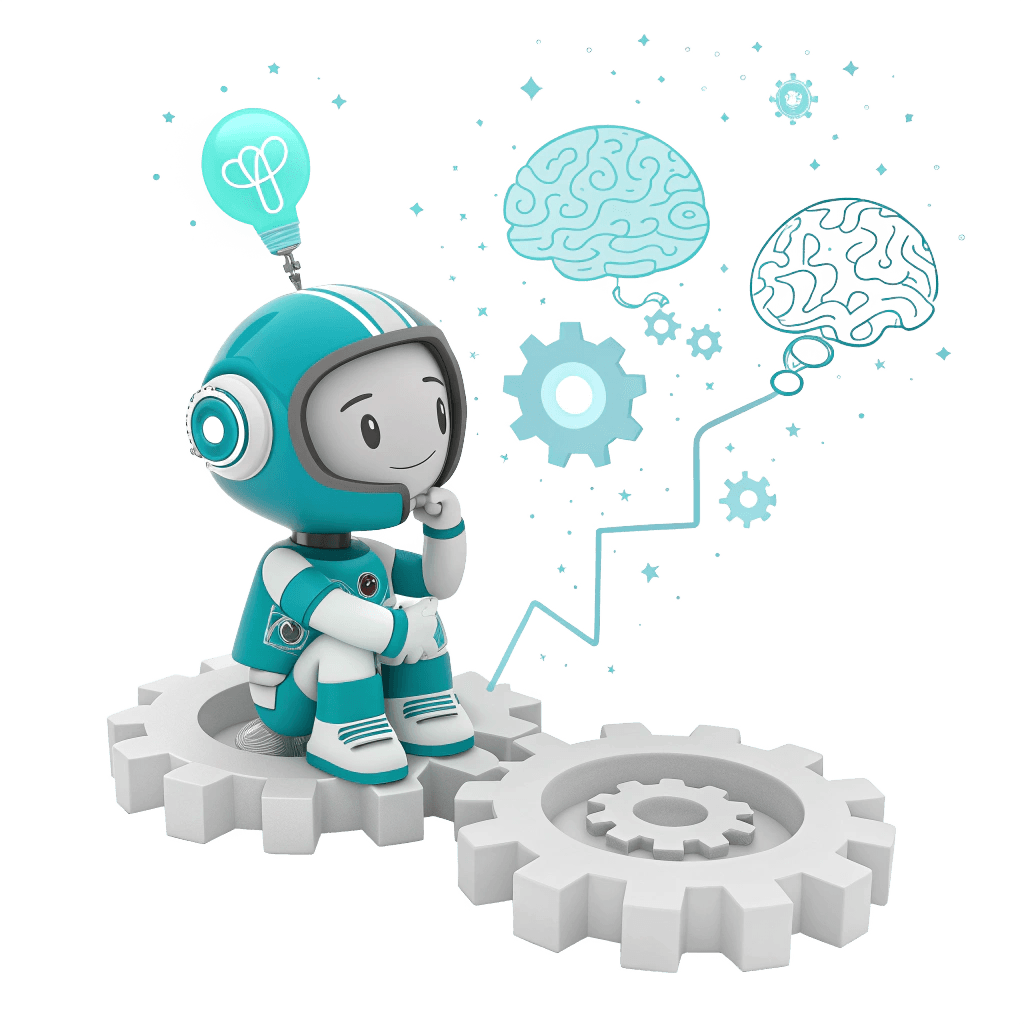
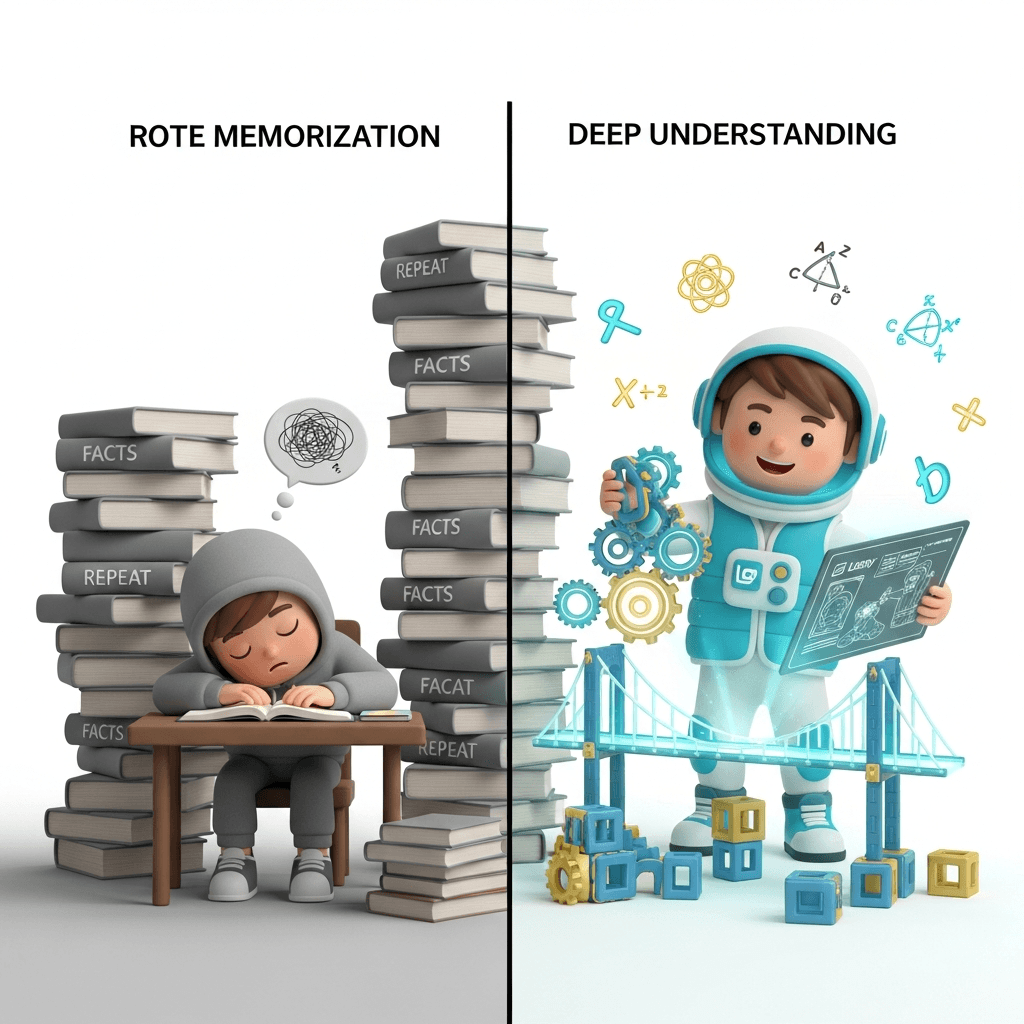
The shift from passive to proactive
The old way — rote learning
- The goal:
- Memorise it well enough to pass the test.
- The result:
- Most of it is gone a couple of days after the exam.
- The student:
- Bored, overwhelmed, and disconnected from the point of it.
The ChapterLens way — deep understanding
- The goal:
- Apply the concept to a problem they have not seen before.
- The result:
- It sticks, because they built the explanation themselves.
- The student:
- Challenged, capable, and in control of what they know.
The three layers of learning
Our philosophy goes past “did they get it right”. Real learning happens in three layers, and the product is built around all three.
Stimulation
Beyond the textbook
Textbooks give definitions. We ask for scenarios. When a child reaches the point of explaining a concept in their own words, the question isn't “what is the formula for force?” — it's closer to “why do you fall forward when the bus brakes?” Understanding the application is the part that lasts.
Curiosity
Sparking conversations
A confused student stays silent. A curious one asks. By exposing the gap in a specific concept rather than handing back a score, a child goes into class the next day with a real question for their teacher instead of a vague sense of being behind.
The habit
Ownership, not points-chasing
Showing up daily should count for something, so there is a streak, and there are goals a parent and child agree between them. But the reward is whatever your family decides it is, and you are the one who hands it over. There is no in-app currency and nothing to buy — a prize the app dispenses is not a prize worth working for.
A note from the founder
“I didn't build ChapterLens to help students pass exams. I built it to help them think.
Real learning starts when a child stops memorising and starts questioning. When they meet a question that isn't straight out of the book, their brain has to wake up and connect things for itself. That moment is where intelligence actually grows.
I want your child to walk into class the next day not just with the homework done, but with a sharper mind and better questions.”
— Rama Villuri, Founder
Where we are today
We're early, and we'd rather say so
ChapterLens is in pilot with a small group of families. We set each one up personally, we read what comes back, and the product changes because of it. If you want polish and a call centre, we're not there yet. If you want to know what your child actually understands, that part works today.